How Can Sustainable Garden Installation Transform Your Local Landscape Into an Eco-Conscious Outdoor Oasis?
Understanding the Core Principles Behind Modern Sustainable Gardening
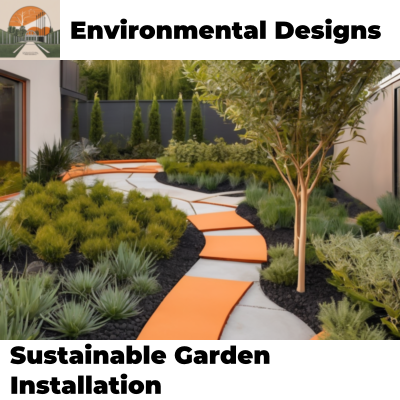
Sustainable garden installation represents far more than simply planting flowers and shrubs in designated spaces. It encompasses a comprehensive philosophy that integrates ecological responsibility, resource conservation, and long-term environmental stewardship into every design decision. Environmental Designs approaches this practice with meticulous attention to detail, recognizing that each garden tells a unique story shaped by local climate conditions, soil composition, and the specific needs of the property owner.
The foundation of sustainable gardening rests on several interconnected principles that work harmoniously together. First and foremost, designers must conduct thorough site analyses to understand the existing environmental conditions. This involves examining soil quality, water drainage patterns, sunlight exposure throughout the day, and the presence of native plant species already thriving in the area. By working with nature rather than against it, sustainable gardens become self-sustaining ecosystems that require minimal intervention once established.
Native Plant Selection as the Cornerstone of Ecological Design
Native plants form the backbone of any truly sustainable garden installation. These species have evolved over centuries to thrive in specific regional conditions, requiring significantly less water, fertilizer, and pesticide treatment compared to non-native ornamental plants. Environmental Designs prioritizes native plant integration because it reduces maintenance demands while supporting local biodiversity.
Indigenous plant communities create interconnected networks with local insects, birds, and other wildlife. A garden populated by native species transforms into a functioning ecosystem rather than a static landscape feature. The relationship between native plants and local pollinators cannot be overstated—butterflies, bees, and other beneficial insects depend on specific plant species for food and reproduction. When these plants disappear from landscapes, entire food chains collapse, affecting bird populations and other wildlife dependent on insects as primary nutrition sources.
The selection process demands expertise and regional knowledge:
- Researching native species adapted to the specific USDA hardiness zone and microclimate conditions
- Evaluating mature plant heights and spreads to ensure appropriate spacing and long-term landscape balance
- Considering seasonal interest through flowering times, fall foliage color, and winter structure
- Identifying plants that serve multiple ecological functions as food sources, shelter, and nesting sites for wildlife
- Selecting appropriate cultivars that maintain the ecological characteristics of parent species while offering landscape diversity
Water Conservation Through Intelligent Design and Technology
Water represents one of the most precious resources in modern landscapes, yet traditional gardens waste enormous quantities through inefficient irrigation practices. Sustainable garden installation directly addresses this challenge through multiple conservation strategies that reduce water consumption while maintaining healthy plant growth.
Proper site grading establishes swales and rain gardens that capture precipitation runoff, allowing water to infiltrate soil gradually rather than flowing away as wasted drainage. These bioswales serve double duty as landscape features while functioning as natural water management systems. Environmental Designs incorporates these elements seamlessly into garden aesthetics, transforming utilitarian water management into attractive design components.
Mulching practices deserve particular attention in sustainable design. Organic mulch materials suppress weeds, moderate soil temperature fluctuations, and reduce evaporation from soil surfaces. A three-to-four-inch layer of quality mulch can reduce watering needs by fifty percent or more. Over time, organic mulch decomposes and enriches soil structure, creating a beneficial feedback loop that improves water retention capacity further.
Soil Health as the Foundation for Long-Term Garden Success
Healthy soil represents the invisible foundation upon which all sustainable gardens depend. Many property owners overlook soil preparation, focusing instead on visible plantings while neglecting the critical underground ecosystem. Environmental Designs recognizes that investing in soil health during initial installation establishes conditions for thriving plants with minimal ongoing intervention.
Building Living Soil Ecosystems Through Amendment Strategies
Soil comprises far more than inert mineral particles. Billions of microorganisms inhabit healthy soil, creating a living ecosystem that cycles nutrients, improves structure, and protects plants from pathogens. Commercial fertilizers bypass this natural nutrient cycling system entirely, creating dependency on artificial inputs while destroying microbial communities.
Sustainable garden installation emphasizes building living soil through careful amendment strategies:
- Compost incorporation enriches organic matter content while introducing beneficial microorganisms and fungi
- Aged manure application provides slow-release nitrogen and creates favorable conditions for nutrient-cycling bacteria
- Cover crop integration in newly prepared beds protects soil while adding nitrogen and organic material
- Mycorrhizal inoculants establish fungal partnerships with plant roots, dramatically improving nutrient and water uptake
- Biochar amendments improve water retention while providing long-lasting habitat for soil microorganisms
These approaches work synergistically to create soil environments where plants flourish without synthetic fertilizer inputs. The initial investment in proper soil preparation pays dividends throughout the garden's lifespan, reducing maintenance needs while improving plant resilience.
Understanding Soil Texture and Structure for Optimal Plant Growth
Different soil types present distinct challenges and opportunities. Clay-heavy soils retain water but often become compacted and poorly aerated. Sandy soils drain quickly but lack water and nutrient retention. Silty soils generally perform better but require monitoring to maintain appropriate structure. Environmental Designs conducts soil tests to determine existing composition, then makes targeted amendments to create ideal growing conditions.
Soil structure refers to how individual particles aggregate into larger units, creating pore spaces essential for water drainage and root penetration. Compacted soils feature poor structure, restricting root development and limiting plant establishment success. Sustainable installation practices avoid heavy equipment use whenever possible and implement careful site access protocols to prevent soil compaction in planted areas.
Designing Functional Garden Spaces That Balance Aesthetics With Ecological Purpose
Sustainable gardens need not sacrifice visual appeal for environmental responsibility. Environmental Designs creates landscapes that captivate the eye while functioning as thriving ecological systems. This requires thoughtful design approaches that consider seasonal variation, spatial layering, and plant community relationships.
Creating Multi-Layered Plantings for Enhanced Ecological Function
Nature rarely creates monocultures of single plant species. Instead, diverse plant communities organize themselves into distinct vertical layers, each occupying specific niches and serving particular ecological roles. Sustainable garden design mimics this natural diversity through strategic layering.
The canopy layer includes trees or tall shrubs that provide overhead shelter and create partially shaded understory conditions. Beneath the canopy, mid-story shrubs and small trees create structure and additional habitat diversity. Herbaceous plants occupying the understory level provide seasonal interest and support pollinator populations. Ground covers and low-growing perennials complete the layering system, minimizing bare soil exposure while suppressing weeds naturally.
This approach requires careful species selection and spatial planning:
- Identifying appropriate mature heights for each layer to create visual proportion and functional differentiation
- Selecting species with complementary seasonal characteristics ensuring interest throughout the year
- Spacing plants appropriately to prevent excessive crowding while minimizing weed establishment areas
- Incorporating woody debris and rock features for habitat complexity and visual interest
- Balancing deciduous and evergreen plants to maintain structure during dormant seasons
Incorporating Hardscape Elements Sustainably
Hardscape features—pathways, seating areas, and structural elements—require sustainable material selection and thoughtful integration. Environmental Designs prioritizes permeable paving materials that allow water infiltration, dramatically reducing stormwater runoff while promoting groundwater recharge.
Recycled materials offer excellent hardscape opportunities. Reclaimed stone, salvaged wood, and recycled plastic composites reduce demand for new resource extraction while adding unique character to garden designs. Local stone sources minimize transportation impacts and often provide materials specifically suited to regional aesthetics.
Properly installed hardscape features should connect logically through the garden space, creating intuitive circulation patterns that encourage exploration while preventing compaction of planted areas. Strategic placement of seating areas, observation decks, or meditation spaces enhances the garden experience while maintaining functional plant community organization.
Addressing Common Misconceptions About Sustainable Garden Maintenance
Many property owners mistakenly believe sustainable gardens require less overall work compared to conventional landscapes. This misconception deserves examination. While long-term maintenance demands do decrease significantly once sustainable systems establish themselves, the initial establishment phase requires dedicated attention and expertise. Environmental Designs guides property owners through realistic expectations regarding the transition period between installation and mature system stability.
Distinguishing Between Establishment Care and Permanent Maintenance
First-year gardens demand consistent attention to ensure proper root development and plant establishment. Newly installed plants require regular watering, mulch monitoring, and occasional weeding as exotic species inevitably appear. This intensive establishment phase typically lasts twelve to eighteen months, depending on plant types and regional growing conditions.
Once plants mature and root systems extend deep into established soil, maintenance requirements diminish dramatically. Established sustainable gardens often require:
Occasional hand-weeding to manage persistent invasive species
Seasonal pruning to maintain structural integrity and encourage flowering
Deadheading spent flowers to promote extended bloom
Mulch replenishment every two to three years as organic material decomposes
Minimal to no supplemental fertilization due to natural nutrient cycling
This represents a fundamental difference from conventional landscapes requiring weekly lawn mowing, regular chemical applications, and constant intervention to maintain unnaturally simplified plant communities.
Reframing "Weeds" Within Sustainable Garden Contexts
Conventional gardening views weeds as enemies to be eradicated through chemical warfare or constant manual removal. Sustainable approaches recognize that many "weeds" are simply plants growing where they weren't intentionally placed. Some so-called weeds provide valuable ecological functions—native wildflowers that pollinators depend on, plants that accumulate nutrients in soil, or species offering medicinal properties.
Environmental Designs distinguishes between problematic invasive species that genuinely threaten garden health and benign volunteer plants that can coexist within designed spaces. This nuanced approach reduces maintenance demands while maintaining aesthetic control. Dense mulching prevents most unwanted seed germination, while strategic hand-removal of problem species requires minimal effort in well-established gardens.
Seasonal Variations and Realistic Expectations
Sustainable gardens shift their appearance dramatically through seasonal cycles. Spring erupts with flowering bulbs, emerging perennials, and fresh leaf growth. Summer displays peak diversity with full foliage and continuous blooms. Autumn transforms landscapes with changing leaf colors and ripening seed heads. Winter reveals structural elements—branching patterns, evergreen forms, and dried seed pods—creating architectural interest during dormant months.
This seasonal variation delights naturalists but can disappoint property owners expecting consistent appearance year-round. Environmental Designs educates clients about seasonal beauty, helping them appreciate the dynamic qualities that make sustainable gardens more engaging than static conventional landscapes. Thoughtfully designed sustainable gardens offer changing visual interest that evolves throughout the year, preventing the monotonous sameness of manicured conventional landscapes.
Maximizing Pollinator and Wildlife Support Through Strategic Plantings
Sustainable garden installation fundamentally transforms outdoor spaces into functioning wildlife habitats. Beyond simply providing attractive plants, well-designed gardens create complete ecosystems supporting diverse species throughout their life cycles. Environmental Designs incorporates specific features and plantings that attract and support local wildlife populations.
Creating Continuous Bloom Sequences for Pollinator Nutrition
Pollinators—bees, butterflies, moths, hummingbirds, and other species—face increasing challenges finding adequate nutrition throughout extended growing seasons. Conventional landscapes featuring manicured lawns and non-native ornamentals offer minimal food resources. Sustainable gardens featuring native plants in thoughtfully sequenced bloom patterns provide continuous nutrition from early spring through late autumn.
Successful pollinator support requires careful species selection emphasizing plants with distinct flowering times:
- Early spring bloomers including native crocuses, hellebores, and flowering currants that provide essential early-season nutrition
- Late spring selections featuring bleeding heart, columbine, and native phlox species that sustain pollinators through mid-season transitions
- Summer staples including coneflowers, bee balm, black-eyed Susans, and native zinnias offering peak nectar and pollen availability
- Fall bloomers such as asters, goldenrod, and Joe-Pye weed providing critical nutrition as pollinators prepare for dormancy or migration
- Evergreen structural plants offering shelter and overwintering habitat throughout winter months
This sequential approach ensures pollinator populations find abundant resources throughout the entire growing season, supporting healthy populations that provide ecosystem services beyond the garden itself.
Incorporating Larval Host Plants for Butterfly and Moth Reproduction
Many gardeners focus exclusively on adult butterfly nutrition, overlooking the critical larval host plants required for reproduction. Butterfly caterpillars feed on specific plant species evolved together over millennia. Without these plants, butterflies may visit gardens to feed but cannot successfully reproduce locally.
Environmental Designs incorporates native larval host plants as integral garden components. Milkweed species, for example, represent the only food source for monarch butterfly caterpillars. Native willow, ash, and birch trees host numerous moth species. Parsnips, fennel, and native carrot family members support swallowtail butterfly larvae. By integrating these plants into sustainable garden designs, property owners actively support butterfly and moth reproduction rather than simply providing adult feeding stations.
Creating Shelter and Nesting Opportunities for Diverse Wildlife
Beyond food provision, sustainable gardens must offer shelter, nesting sites, and overwintering habitat for wildlife species. This requires deliberately retaining structural complexity rather than removing it in pursuit of tidiness. Dead branches, fallen logs, and dried plant material create essential microhabitats.
Strategic wildlife support features include:
- Dense evergreen plantings providing year-round shelter from predators and harsh weather
- Native shrub communities offering ideal nesting sites for songbirds, cottontails, and other wildlife
- Retained dead wood (snags) creating nesting cavities for woodpeckers and other cavity-nesting birds
- Ground-level shelter through strategic placement of larger rocks and log arrangements
- Water features including shallow basins or small ponds supporting amphibians, insects, and bird drinking stations
These elements transform gardens into complete wildlife sanctuaries rather than simple ornamental spaces.
Understanding Sustainable Garden Installation Costs and Long-Term Value
Property owners often hesitate committing to sustainable garden installation due to perceived higher initial costs compared to conventional landscaping. This comparison requires careful analysis examining total cost of ownership rather than simple installation pricing alone.
Breaking Down Initial Installation Investment
Sustainable garden installation typically costs more than conventional landscape installation due to increased labor for site analysis, soil preparation, and thoughtful plant selection. Environmental Designs invests significant expertise in understanding site conditions, designing appropriate plant communities, and sourcing quality native plant material. This specialized knowledge and careful preparation justify premium installation pricing.
The installation investment encompasses several distinct components:
- Site analysis and soil testing determining existing conditions and identifying necessary amendments
- Design development creating comprehensive planting plans tailored to specific site conditions
- Soil preparation including amendment incorporation and structure improvement
- Native plant material sourcing from reputable growers ensuring genetic integrity and health
- Professional installation ensuring proper plant placement, spacing, and establishment care
- Initial establishment support including follow-up visits and irrigation adjustment
While this comprehensive approach requires greater upfront investment than quick conventional installations, the long-term value becomes apparent immediately.
Calculating Long-Term Cost Savings and Environmental Benefits
Sustainable gardens generate substantial savings throughout their lifespan compared to conventional landscapes. Reduced water consumption through efficient design and native plant selection translates into lower utility bills that compound annually. Elimination of chemical fertilizers, pesticides, and herbicides reduces ongoing material expenses while improving property owner health and environmental safety.
Labor savings become particularly dramatic over extended timeframes. Conventional landscapes requiring weekly lawn mowing, biweekly chemical applications, and constant intervention demand continuous professional maintenance or significant homeowner time investment. Sustainable gardens, once established, require minimal intervention—occasional hand-weeding, seasonal pruning, and routine mulch replenishment. Property owners report maintenance time reductions of seventy-five percent or greater compared to conventional landscape management.
Environmental benefits extend far beyond individual property boundaries. Sustainable gardens contribute to regional water conservation, reduce chemical pollution of groundwater and surface water systems, support pollinator and wildlife populations, improve air quality, and mitigate urban heat island effects. These broader ecological benefits create value that extends throughout entire communities.
Financing Options and Incentive Programs
Increasingly, municipalities, utilities, and environmental organizations offer financial incentives for sustainable landscape installations. Rain garden and bioswale projects often qualify for stormwater management rebates. Native plant installations may receive support through conservation programs. Water-efficient landscaping sometimes qualifies for utility rebates or tax incentives.
Environmental Designs maintains current knowledge of available incentive programs and assists property owners identifying and accessing applicable funding sources. These programs can substantially reduce net installation costs while accelerating the financial payback period.
Integrating Edible Plants Into Sustainable Garden Designs
Sustainable garden installation need not exclude food production. Thoughtfully integrated edible plants produce nutritious harvests while maintaining ecological functionality and aesthetic appeal. Environmental Designs helps property owners incorporate productive elements into landscape designs.
Designing Edible Landscapes That Function as Complete Gardens
Traditional vegetable gardens occupy separate spaces isolated from ornamental landscaping. This separation duplicates infrastructure, increases maintenance demands, and misses opportunities for integration. Modern sustainable design merges edible and ornamental plantings into cohesive landscapes where food production and ecological function coexist harmoniously.
Perennial vegetables and berries offer particular advantages in sustainable edible landscaping. Unlike annual vegetables requiring annual soil disturbance and replanting, perennial edibles integrate into established plant communities with minimal disruption. Asparagus, rhubarb, berry bushes, and nut trees persist indefinitely, providing consistent harvests while contributing to landscape structure.
Edible perennial options suitable for