How Can Native Plant Landscaping Transform Your Local Yard into a Thriving Ecosystem?
Understanding the Foundation of Native Plant Landscaping
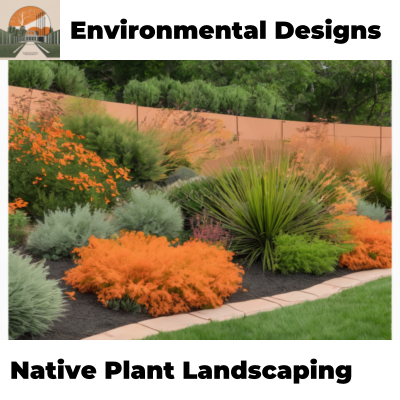
Native plant landscaping represents far more than simply selecting plants that originated in your geographical region. It's an intricate approach to outdoor design that acknowledges the complex relationships between soil composition, regional climate patterns, local wildlife populations, and seasonal variations. When Environmental Designs implements native plant landscaping, they're essentially reconstructing miniature ecosystems right in residential and commercial spaces.
The fundamental principle underlying native plant landscaping involves recognizing that plants have evolved over thousands of years to thrive within specific environmental conditions. A native oak tree, for instance, doesn't just happen to grow well in California—it has developed deep root systems designed to access water during drought periods, bark resistant to particular insects and diseases present in the region, and timing of leaf emergence perfectly synchronized with local rainfall patterns. Similarly, native shrubs and herbaceous plants possess intricate relationships with local pollinators, soil microorganisms, and other plant species. This interconnectedness creates stability. It creates resilience.
Environmental Designs understands that authentic native plant landscaping requires comprehensive knowledge of:
- Local precipitation patterns and seasonal distribution
- Soil pH, drainage characteristics, and nutrient composition
- Native plant species appropriate for specific microclimates within your property
- Historical fire regimes and how plants have adapted to them
- The specific insects, birds, and mammals that depend on particular plant species
- Water availability throughout the year and how plants have evolved to access it
The Ecological Significance of Regional Adaptation
Plants native to your area have undergone millions of years of natural selection to become perfectly suited to local conditions. This isn't merely convenient—it fundamentally changes how landscapes function. When Environmental Designs designs a space around native plants, they're leveraging this evolutionary history. Native plants require less supplemental irrigation because their root systems have evolved to access water efficiently during dry months. They resist local pests and diseases naturally because they've developed chemical compounds and physical barriers against organisms that coevolved with them.
Consider the distinction between a landscape dominated by ornamental plants imported from distant regions versus one featuring native species. The ornamental approach requires constant intervention—fertilizers to compensate for nutrient demands, pesticides to combat unfamiliar insects that the plants lack natural defenses against, and extensive irrigation to maintain growth patterns suited to different climates. Native plant landscaping inverts this dynamic entirely. The landscape becomes progressively more stable and self-sustaining over time.
Why Traditional Landscaping Falls Short
Conventional landscaping practices, still remarkably prevalent throughout California communities, often rely on monoculture plantings of non-native species. Uniform rows of non-native shrubs, sod lawns that demand constant water, and ornamental trees selected for appearance rather than ecological appropriateness create landscapes that are essentially ecological deserts. These spaces require enormous resource inputs to maintain. They provide minimal habitat for local wildlife. They often struggle during periods of drought or unusual weather patterns because the plants lack the adaptations necessary to respond to local environmental stresses.
How Native Plant Landscaping Delivers Environmental and Economic Benefits
The advantages of transitioning to native plant landscaping extend across multiple dimensions simultaneously. Environmental Designs helps property owners recognize that these benefits aren't merely theoretical or distant—they manifest immediately and continuously across ecological, financial, and practical dimensions.
Environmental Restoration Through Biodiversity
Native plant landscaping creates functioning habitat for countless species. Local butterflies, native bees, birds, and beneficial insects evolved alongside native plants and depend on them for survival. When Environmental Designs establishes a landscape featuring native plants, they're essentially creating a refuge. The California buckeye, for instance, supports over forty butterfly species. Native wildflowers attract essential pollinators that ensure food production throughout surrounding areas. Native shrubs provide nesting sites, shelter during extreme weather, and berry crops that sustain migratory bird populations.
This biodiversity creates cascading ecological benefits:
- Predator-prey relationships establish themselves naturally, controlling pest populations
- Pollinator populations increase, benefiting nearby gardens and agricultural areas
- Soil health improves as diverse plant root systems create varied soil structures
- Water infiltration increases, reducing runoff and replenishing groundwater supplies
- Native species create seasonal variation in appearance and function
Water Conservation and Drought Resilience
Water scarcity constitutes one of California's defining environmental challenges. Native plant landscaping directly addresses this crisis. Once established, native plants typically require minimal supplemental water beyond seasonal rainfall. Their root systems—often extending far deeper than ornamental species—access water reserves unavailable to shallow-rooted alternatives. Environmental Designs recognizes that native plants have evolved under regional precipitation patterns, which means they inherently possess mechanisms for surviving and thriving during dry periods.
The difference in water demand becomes genuinely striking when comparing landscapes directly. A native California oak might require no supplemental water during a typical year once established. Non-native ornamental trees of similar size often demand hundreds of gallons monthly throughout the growing season. When multiplied across an entire landscape, this distinction becomes economically substantial and environmentally critical during drought periods.
Specific water-conservation mechanisms operating within native plants include:
- Waxy leaf coatings that minimize evaporative water loss
- Root systems designed to access water deeper than competing plants
- Dormancy periods synchronized with seasonal dry seasons
- Ability to reduce leaf surface area during drought stress
- Mycorrhizal associations with soil fungi that enhance water uptake efficiency
Economic Savings Through Reduced Maintenance
The financial case for native plant landscaping grows increasingly compelling. Environmental Designs helps clients understand that the initial investment in native plant installation often translates into dramatically reduced maintenance expenses. Native plants don't require fertilizer applications because they're adapted to local soil conditions. They don't need pesticide applications because they've evolved natural defenses against regional pests. They don't demand intensive pruning schedules because they grow in forms consistent with local environmental conditions rather than against them.
Cost considerations span multiple categories:
- Water bills: Reduced dramatically after initial establishment period
- Fertilizer expenses: Eliminated or substantially reduced
- Pest control treatments: Minimal or eliminated naturally
- Pruning and shaping: Less frequent, more naturalistic
- Replacement plantings: Reduced due to lower mortality rates
- Equipment operation: Fewer hours of landscape maintenance required
Understanding Microclimates and Site-Specific Design Considerations
Native plant landscaping cannot be simplified into a one-size-fits-all approach. Environmental Designs recognizes that microclimate variations across even modest properties create distinct environmental conditions requiring different plant selections and design strategies.
Identifying Unique Microclimatic Zones
Every property contains multiple microclimates. South-facing slopes experience dramatically different temperature and moisture regimes than north-facing areas. Proximity to structures affects wind patterns, temperature fluctuations, and moisture availability. Low-lying areas collect water differently than elevated locations. Exposure to coastal influences, urban heat island effects, or proximity to large bodies of water all modify local conditions significantly.
Environmental Designs conducts thorough site analysis to identify these variations:
- Sun exposure patterns throughout the day and seasonal changes
- Wind exposure from prevailing winds and funneling effects
- Drainage patterns and water accumulation areas
- Temperature variations between protected and exposed areas
- Soil composition changes across the property
- Existing structures and their impacts on environmental conditions
Selecting Plants Appropriate for Specific Microclimates
Native plant selections must reflect these microclimate realities. A native manzanita thrives on a well-drained, south-facing slope but likely perishes in a boggy north-facing depression. Environmental Designs understands these distinctions and selects plant communities that match specific conditions rather than forcing plants into unsuitable environments.
The process involves matching plant communities that naturally occur together in similar settings. Rather than scattering random native plants across a property, Environmental Designs creates coherent plant communities—assemblages of species that actually grow together in nature. This approach provides multiple advantages:
- Plants naturally support each other's success
- Aesthetic coherence emerges from authentic ecological relationships
- Maintenance requirements decrease through compatible plantings
- Wildlife communities establish themselves more readily
- The landscape develops character consistent with regional ecosystems
Practical Implementation Strategies for Native Plant Landscaping Projects
Environmental Designs brings extensive expertise to the actual implementation phase, recognizing that success requires careful planning, proper installation techniques, and appropriate maintenance during the establishment period.
Site Preparation and Soil Amendment Considerations
Successful native plant landscaping frequently requires addressing existing soil conditions. Many properties have compacted soils, inappropriate drainage characteristics, or nutrient imbalances that contraindicate successful native plant establishment. Environmental Designs assesses whether soil amendments prove necessary or whether working with the existing soil conditions represents the preferable approach.
Key preparation considerations include:
Removing invasive species that might outcompete natives
Assessing and improving soil drainage where appropriate
Evaluating whether existing topsoil serves native plant requirements
Adding compost to improve soil structure and microbial communities
Testing soil pH to ensure compatibility with selected native species
Removing or modifying compacted layers that impede root penetration
The philosophy guiding Environmental Designs emphasizes working with existing conditions rather than imposing dramatic changes. Sometimes modest amendments suffice. Other situations benefit from more substantial soil modification. The distinction depends entirely on the specific site characteristics and the particular native plants selected for the space.
Installation Timing and Technique
The timing of native plant installation significantly influences establishment success. Environmental Designs typically recommends planting during the rainy season—late fall through early spring in most California locations. This timing allows plants to develop root systems while soil moisture remains adequate, reducing irrigation demands during the critical establishment period.
Proper installation technique proves equally important. Native plants require:
- Appropriate planting depth (typically with the root collar at soil surface level)
- Backfill soil free of air pockets that create water-conducting channels
- Initial irrigation to settle soil and eliminate air spaces
- Mulch application to moderate soil temperature and moisture fluctuations
- Spacing that reflects mature plant size rather than current dimensions
Environmental Designs technicians possess the expertise to execute these techniques properly, recognizing that improper installation frequently causes plant failure even when species selection proves correct. The investment in proper installation dramatically improves survival rates and establishment success.
Establishment-Period Management and Transition to Self-Sufficiency
Native plants require different management strategies during establishment than they demand once matured. This establishment period—typically spanning one to three years depending on species and site conditions—represents a critical phase where supplemental irrigation, selective weeding, and monitoring prove essential.
Environmental Designs provides guidance on establishment-period practices:
- Irrigation schedules: Gradually reducing supplemental water as plants develop deeper root systems
- Weed management: Removing competing plants, especially non-native species that might dominate
- Mulch maintenance: Adjusting mulch depth as plants become established
- Monitoring and adjustment: Identifying underperforming plants and addressing site conditions
- Pest and disease observation: Distinguishing between normal plant stress responses and genuine problems requiring intervention
The goal throughout this period involves transitioning the landscape toward self-sufficiency. As native plants establish deeper root systems and expand their presence, supplemental inputs decrease. Eventually, the landscape functions with minimal intervention, sustained primarily by seasonal rainfall and natural ecological processes.
Native Plant Landscaping for Different Property Types and Purposes
Native plant landscaping principles apply across diverse contexts, though specific applications vary based on property characteristics and owner objectives.
Residential Landscapes and Family Outdoor Spaces
Homeowners increasingly recognize that native plant landscaping creates beautiful, functional outdoor spaces while reducing maintenance burdens. Environmental Designs works with residential clients to develop landscapes that balance aesthetic preferences with ecological functionality.
Residential applications include:
- Front yard landscapes that replace conventional turf with native plantings
- Backyard designs that create wildlife habitat while serving family recreation needs
- Foundation plantings using native shrubs requiring minimal pruning
- Native wildflower areas that transition to meadows
- Screening plantings that provide privacy using native species
- Rain gardens and bioswales that manage stormwater while establishing native wetland plants
Residential clients frequently appreciate the reduced maintenance demands. No more weekend mowing schedules. No more chemical applications. No more constant watering during summer months. Instead, landscapes evolve through seasons, providing changing visual interest, supporting wildlife, and generally requiring far less active management.
Commercial Properties and Institutional Landscapes
Environmental Designs also serves commercial clients—businesses, schools, parks, and institutional properties—where native plant landscaping delivers significant advantages. Commercial properties often benefit from reduced maintenance budgets, enhanced property appearance, and environmental leadership positioning.
Commercial applications span:
- Corporate campuses featuring native plant demonstrations
- Parking lot edges and medians with native plantings
- Stormwater management areas designed as native plant installations
- School grounds converted to native habitat and outdoor classrooms
- Municipal parks featuring native plant communities and trails
- Retail properties using native plantings for aesthetic appeal and cost reduction
Environmental Designs brings expertise in designing commercial landscapes that maintain professional appearance while functioning as genuine ecosystems. These spaces often become community assets, demonstrating commitment to environmental stewardship while serving practical landscape functions.
Erosion Control and Slope Stabilization
Native plant landscaping serves critical functions in erosion prevention and slope stabilization. Environmental Designs utilizes native species specifically adapted to slope conditions, selecting plants with appropriate root architecture to stabilize soil while preventing erosion.
Slope stabilization applications include:
- Hillside plantings that prevent soil loss during heavy rain events
- Stream-bank restoration using native species adapted to riparian conditions
- Bioengineering approaches combining structural elements with native plantings
- Terracing designs incorporating native plants
- Swale and drainage feature plantings
Native plants address slope stabilization through multiple mechanisms. Deep root systems bind soil particles together, preventing failure during saturation. Canopy coverage reduces raindrop impact that dislodges soil particles. Plant litter accumulation improves soil structure and water infiltration. This multifaceted approach proves superior to conventional erosion control methods because it becomes increasingly effective over time rather than degrading as materials deteriorate.
Regional Native Plant Communities and Ecological Zones
California's extraordinary botanical diversity creates distinct native plant communities across different ecological zones. Environmental Designs possesses deep knowledge of these communities and selects plants appropriate for specific regional contexts.
Coastal Sage Scrub Communities
Coastal sage scrub represents one of California's most distinctive plant communities, characterized by aromatic shrubs adapted to Mediterranean climate conditions—wet winters and extended dry summers. This community includes species like California buckwheat, white sage, black sage, and toyon. Environmental Designs utilizes these species in landscapes where site conditions and owner objectives align with this vegetation type.
Coastal sage scrub communities provide:
- Exceptional drought tolerance
- Minimal water requirements once established
- Aromatic foliage appealing to many property owners
- Wildlife habitat supporting diverse bird and insect species
- Fire adaptation through sprouting after burns or rapid recovery
Oak Woodland Communities
California's oak woodlands, once vastly more extensive than current coverage, represent another critical native plant community. Coast live oak, California white oak, and valley oak create open woodlands with understory plantings. Environmental Designs designs landscapes featuring oak trees when property size and site conditions permit, creating woodland character while establishing genuine habitat.
Oak woodlands provide:
- Long-lived trees providing canopy structure and shade
- Acorn production supporting wildlife populations
- Unique aesthetic character reflecting regional heritage
- Soil development and water infiltration beneath canopies
- Seasonal variation in appearance and function
Riparian Corridor Plantings
Properties adjacent to streams, creeks, or other water features benefit from riparian plantings featuring species adapted to moist conditions. Environmental Designs designs riparian corridors using native species like willows, alders, sycamores, and associated understory plants. These plantings stabilize banks, filter runoff, provide wildlife corridors, and create distinctive landscape character.
Riparian functions include:
- Stream bank stabilization and erosion prevention
- Water quality improvement through filtering runoff
- Shade provision that moderates stream temperature
- Wildlife corridor establishment connecting habitat patches
- Unique aesthetic and recreational value
Addressing Common Misconceptions About Native Plant Landscaping
Environmental Designs frequently encounters assumptions about native plant landscaping that merit clarification. Understanding these misconceptions helps property owners make informed decisions.
Misconception: Native Landscapes Appear Messy or Unkempt
Many people assume native plant landscapes necessarily appear wild or disheveled. This reflects a fundamental misunderstanding. Skillfully designed native plant landscapes appear intentional, thoughtful, and beautifully composed. The distinction between wild and designed native landscapes involves intentional plant selection, spacing, and arrangement that creates visual coherence while functioning ecologically.
Environmental Designs designs native landscapes that appear polished and intentional. Strategic pruning, selective thinning, and thoughtful composition create landscapes that satisfy aesthetic preferences while maintaining ecological integrity. A well-designed native landscape needn't sacrifice beauty for ecological function—the two become complementary objectives.
Misconception: Native Plant Landscaping Requires Accepting Whatever Plants Naturally Occur
Another common assumption suggests that native landscaping means allowing whatever plants self-establish to dominate the landscape. This misses the distinction between unmanaged native plant establishment and designed native plant landscaping. Environmental Designs actively selects plant species, arranges them purposefully, and manages the landscape to achieve specific objectives while maintaining ecological integrity.
Designed native landscapes differ fundamentally from unmanaged natural areas. This distinction doesn't diminish ecological value—it simply reflects intentional composition serving aesthetic and functional objectives alongside ecological goals. Environmental Designs bridges these objectives, creating landscapes that achieve multiple purposes simultaneously.