How Can Professional Landscape Design Services Transform Your Outdoor Living Space?
Understanding the Fundamentals of Landscape Design Excellence
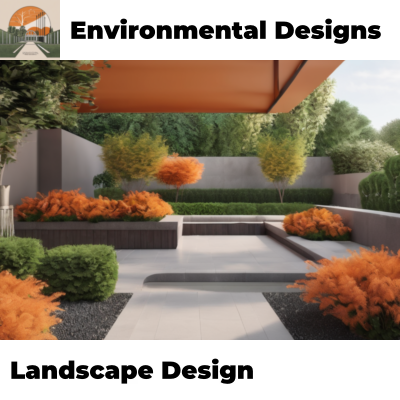
Landscape design represents far more than simply arranging plants and hardscape materials across a property. It embodies a comprehensive approach to spatial planning, aesthetic vision, and functional outdoor living that transforms ordinary yards into extraordinary environments. When homeowners and business owners contemplate outdoor improvements, they frequently underestimate the complexity involved in creating cohesive, sustainable spaces that balance beauty with practicality.
Professional landscape designers approach each project with systematic methodologies that address multiple layers of consideration. Environmental Designs, operating from 123 Main St, Local City, CA 90210, specializes in creating sustainable outdoor spaces that reflect both client aspirations and ecological responsibility. The distinction between amateur landscaping attempts and professional design lies in understanding how elements interconnect—how drainage patterns influence plant selection, how sight lines shape the perception of space, how material choices affect long-term maintenance requirements.
The Strategic Role of Site Analysis
Before any shovel touches soil or any plant finds its home, experienced designers conduct thorough site analyses. This critical preliminary phase determines everything that follows. They evaluate:
- Soil composition and pH levels
- Existing vegetation and its health status
- Sun exposure patterns throughout seasons
- Water drainage and runoff patterns
- Slope and topography characteristics
- Existing structures and their relationships to outdoor spaces
- Underground utilities and easements
This investigative groundwork cannot be rushed. A designer might spend hours on a property, observing how light moves, noting where water pools after rain, identifying microclimates that support different plant varieties. Such attention to detail prevents costly mistakes later.
Sustainability as Core Philosophy
Environmental Designs operates from a foundational principle: sustainable design practices benefit both property owners and the natural world. Sustainable landscape design minimizes resource consumption, reduces environmental impact, and creates resilient outdoor ecosystems. This philosophy extends beyond trendy green washing; it represents genuine commitment to ecological stewardship.
Sustainable approaches incorporate native plant species adapted to local climate conditions. These plantings require less supplemental irrigation, fewer chemical inputs, and minimal soil amendments compared to non-native alternatives. Native plants support local pollinators and wildlife, creating functional ecosystems rather than decorative monocultures.
Water conservation strategies form another pillar of sustainable design. Modern designers implement techniques including:
- Permeable paving systems that allow rainwater infiltration
- Rain gardens and bioswales that capture and filter runoff
- Drip irrigation systems delivering water directly to plant root zones
- Mulching applications that reduce evaporation
- Strategic grading that directs water toward plantings rather than waste
The Critical Components of Comprehensive Landscape Design
Successful landscape designs integrate multiple functional elements into cohesive wholes. Understanding these components helps property owners grasp why professional expertise matters tremendously.
Hardscape Elements and Material Selection
Hardscape—the non-living architectural components—provides structural foundation and functional framework for outdoor spaces. Quality hardscape design demonstrates understanding of materials, their properties, installation requirements, and long-term performance. Common hardscape elements include patios, walkways, retaining walls, pergolas, water features, and outdoor furniture areas.
Material selection carries profound implications. Natural stone provides timeless elegance and durability but requires proper installation and maintenance protocols. Pavers offer design flexibility and easier repair possibilities. Concrete delivers cost-effectiveness and versatility but demands attention to proper finishing and sealing. Permeable options like porous pavers or recycled materials address environmental concerns while managing water drainage.
Planting Design and Composition
Plant selection and arrangement represents the living art of landscape design. Designers consider multiple factors simultaneously:
- Mature plant sizes and growth rates
- Foliage colors and seasonal variations
- Bloom times and flower characteristics
- Texture and form contrasts
- Growing requirements and hardiness zones
- Maintenance intensity and lifespan expectations
Creating layered plant compositions provides visual depth and ecological function. Canopy trees establish vertical structure and shade. Understory trees and large shrubs create intermediate layers. Herbaceous perennials, ornamental grasses, and groundcovers complete the composition at lower levels. This stratification mimics natural forest structure, supporting diverse wildlife while creating visually compelling landscapes.
Color theory informs planting palettes. Designers might employ monochromatic schemes emphasizing various tones of single colors, creating sophisticated and calming effects. Analogous color schemes use adjacent colors on the color wheel, generating harmony. Complementary combinations provide bold, energetic contrasts. Seasonal color considerations ensure interest throughout the year—spring bulbs, summer bloomers, fall foliage, and evergreen structure for winter appeal.
Spatial Organization and Circulation Patterns
How people move through landscapes fundamentally shapes experience. Professional designers intentionally orchestrate circulation patterns, creating logical flow while encouraging exploration. They establish clear pathways, identify gathering spaces, and design sightlines that reveal landscape features progressively.
Entryways deserve particular attention. A compelling entry experience creates positive first impressions and sets expectations for the entire outdoor environment. This might involve:
- Clear wayfinding and welcoming transitions
- Framing devices that draw attention toward focal points
- Varied pathway widths that suggest movement pace
- Plantings that soften architectural edges
- Lighting that enhances nighttime safety and ambiance
Specialized Services Within Professional Landscape Design
Environmental Designs provides comprehensive services addressing diverse client needs and project scopes. Understanding available services helps property owners identify solutions matching their specific situations.
Residential Landscape Design Solutions
Residential projects encompass front yard improvements, backyard transformations, entire property redesigns, and specialized applications. Front yards create public-facing presentations that influence curb appeal and property value perceptions. Contemporary front yard design balances aesthetic refinement with practical maintenance considerations.
Backyard spaces function as personal retreats, entertaining areas, children's play zones, and gardening spaces. Sophisticated backyard design accommodates multiple functions within cohesive frameworks. A single property might feature dining patios, lounge areas, game spaces, and cultivated gardens—each zone distinct yet interconnected.
Complete property redesigns address properties transformed significantly through professional design intervention. These comprehensive projects evaluate entire sites holistically, often resolving long-standing problems and unlocking previously underutilized potential.
Commercial and Institutional Landscape Applications
Commercial properties benefit tremendously from professional landscape design. Corporate campuses, retail centers, office parks, and hospitality properties all gain competitive advantages through exceptional landscape environments. Well-designed commercial landscapes enhance employee satisfaction, create positive customer impressions, and frequently provide economic returns exceeding initial investments.
Specialized Design Categories
Water Features and Aquatic Design
Water elements ranging from small fountains to substantial ponds and streams introduce sensory richness, support wildlife, and create focal points within landscapes. Water feature design requires understanding hydrological principles, pump sizing, plumbing requirements, and aesthetic possibilities. Sustainable water features recirculate water efficiently while supporting aquatic plant communities and wildlife.
Native Plant Gardening and Habitat Creation
Landscapes specifically designed around native plant communities support local ecosystems. These gardens attract native pollinators, birds, and beneficial insects while minimizing maintenance requirements. Designing functional habitat demands understanding ecological relationships, plant communities, and species interdependencies.
Low-Maintenance and Xeriscaping Solutions
Properties in water-scarce regions benefit from drought-tolerant landscape designs emphasizing xeriscaping principles. These approaches minimize water consumption while maintaining aesthetic appeal through careful plant and material selection, mulching, and strategic design. Xeriscaping doesn't mean barren landscapes; properly designed xeriscapes display surprising diversity and visual interest.
The Design Process: From Vision to Realization
Understanding how professional designers translate client aspirations into completed landscapes clarifies why engaging specialists produces superior outcomes. The design process follows structured phases, each building upon previous work.
Initial Consultation and Needs Assessment
First meetings establish relationships and identify project parameters. Designers discuss client goals, lifestyle preferences, budget constraints, and timeline considerations. They observe existing conditions, photograph relevant areas, and listen carefully to client descriptions of desired outcomes.
This phase reveals critical information: Does the client want low-maintenance simplicity or active gardening engagement? Does the family include young children requiring safe play spaces or aging parents needing accessibility considerations? What budget range is realistic? What timeline aligns with client preferences and external factors?
Concept Development and Preliminary Planning
Following assessment, designers develop conceptual approaches addressing identified needs. This typically includes rough sketches, plant lists, and material palettes. Preliminary concepts test various design directions, allowing clients to provide feedback before detailed development.
Skilled designers present multiple concept options with clear rationale for each approach. One concept might emphasize formal geometric organization; another embraces naturalistic asymmetrical composition. Options might contrast in plant palettes, material selections, or spatial arrangements. Presenting alternatives educates clients about design possibilities while clarifying personal preferences.
Detailed Design Development
Once clients select preferred directions, designers develop comprehensive detailed plans. These documents include:
- Scaled site plans indicating all hardscape elements
Plant schedules specifying species, quantities, sizes, and placement locations 3. Planting detail drawings showing installation specifications 4. Hardscape detail drawings with material specifications and installation notes 5. Grading and drainage plans addressing water management 6. Lighting plans if outdoor illumination is incorporated 7. Construction sequencing documentation
Detailed plans serve multiple purposes. They communicate design intent clearly to clients, provide specifications for contractor implementation, and establish reference documents for project management. Professional plans prevent misunderstandings, reduce construction delays, and ensure quality outcomes.
Construction Administration and Project Management
Professional landscape designers frequently oversee construction phases, ensuring contractors implement designs according to specifications. This oversight role prevents costly deviations, addresses unforeseen conditions, and maintains quality standards throughout project execution.
Construction administration involves periodic site visits, reviewing contractor work, approving material deliveries, and addressing questions or conflicts. Designers troubleshoot problems, make minor adjustments responding to field conditions, and certify completion of contract requirements.
Common Misconceptions About Landscape Design
Property owners sometimes hold inaccurate assumptions about landscape design that prevent them from engaging professional services. Clarifying these misconceptions reveals actual benefits and value propositions.
Misconception: Landscape Design is Purely Aesthetic
Many people assume landscape design addresses only appearance, treating function as secondary. Actually, excellent design seamlessly integrates aesthetics with functionality. A beautiful patio that floods after rainfall fails functionally. An exquisite plant composition requiring constant maintenance frustrates rather than delights. Professional designers resolve apparent contradictions between beauty and practicality, creating spaces that perform well while appearing stunning.
Misconception: Professional Design Requires Astronomical Budgets
Some property owners assume professional landscape design only suits luxury properties with unlimited budgets. Actually, skilled designers work effectively across all budget ranges. They prioritize investments strategically, identifying high-impact improvements that maximize value. Phased implementation allows spreading costs over time. Many modest properties benefit tremendously from professional guidance addressing their specific constraints.
Misconception: Landscape Design Means Constant Maintenance
Poorly designed landscapes demand endless maintenance. Well-designed landscapes reduce maintenance demands through thoughtful plant selection, appropriate spacing, efficient irrigation, and material choices. Sustainable design philosophies specifically minimize resource consumption and maintenance intensity. Professional designers understand maintenance implications of their choices and design accordingly.
Misconception: Good Design Requires Exotic or Unusual Plants
Some assume professional landscape design necessitates rare or unusual specimens. Skilled designers create exceptional spaces using common, readily available materials. Exceptional design emerges from thoughtful composition, proper site adaptation, and strategic emphasis—not exotic rarity. Native plant communities designed professionally often display surprising beauty despite using familiar species.
Misconception: Landscape Design Cannot Address Existing Conditions
Property owners with challenging sites—steep slopes, poor drainage, compacted soil, existing structures limiting options—sometimes believe professional design cannot help. Actually, constraints often spark creative solutions. Skilled designers excel at working within limitations, transforming challenges into design opportunities. Problematic drainage becomes the centerpiece of an artistic rain garden. A steep slope transforms into terraced gardens. Existing structures integrate into thoughtfully designed compositions.
Environmental Considerations and Sustainable Practices
Modern landscape design increasingly emphasizes environmental stewardship. Understanding why sustainability matters and how it manifests in professional design clarifies contemporary best practices.
Climate Adaptation and Resilience
Climate patterns shifting globally create urgency around resilient landscape design. Properties should accommodate anticipated future conditions rather than assuming stable historical climates. This requires:
- Selecting plant species with broader climate tolerances
- Designing water systems accommodating variable precipitation
- Incorporating permeable surfaces reducing heat island effects
- Creating microclimates moderating temperature extremes
- Establishing redundant systems providing backup if primary systems fail
Resilient landscapes withstand stress—drought, flooding, temperature extremes, pest pressures—without complete failure. They recover from disturbance relatively quickly. Professional designers build resilience into landscape systems through thoughtful species selection, physical design, and management practices.
Pollinator Support and Wildlife Habitat
Declining pollinator populations and habitat loss concern ecologically conscious property owners. Landscapes designed specifically for pollinator support and wildlife habitat provide meaningful conservation contributions. These designs incorporate:
- Native plants providing nectar and pollen throughout growing seasons
- Host plants supporting butterfly and moth larvae
- Diverse flower shapes and bloom times attracting varied pollinator species
- Shelter and nesting opportunities
- Year-round food sources including seed-bearing plants
- Water sources for drinking and bathing
- Reduced pesticide applications preserving beneficial insects
Such landscapes create functioning ecosystems within residential and commercial properties, supporting biodiversity while providing aesthetic and ecological benefits.
Soil Health and Living Systems
Healthy soils represent the foundation of sustainable landscapes. Poor soil conditions limit plant performance, increase maintenance demands, and reduce environmental function. Professional designers assess soil conditions, amend as necessary, and implement practices building long-term soil health.
Organic matter incorporation improves soil structure, water retention, and nutrient availability. Mulching protects soil surfaces, moderates temperature fluctuations, and slowly decomposes into humus. Avoiding soil compaction during construction preserves soil structure and microbial communities. Minimizing chemical amendments reduces environmental contamination.
Living soil contains diverse microbial communities forming symbiotic relationships with plants. These organisms enhance nutrient cycling, suppress disease organisms, and improve plant resilience. Sustainable landscape practices support these beneficial soil organisms rather than sterilizing soil through excessive chemical treatments.
Evaluating and Selecting Professional Landscape Designers
Choosing qualified professionals requires careful evaluation. Understanding what distinguishes exceptional designers from less capable practitioners helps ensure successful outcomes.
Credentials and Professional Standing
Legitimate landscape design professionals hold appropriate credentials and maintain professional standing. Look for:
- State landscape architect licensure (for projects requiring professional engineering judgment)
- Membership in professional organizations like the American Society of Landscape Architects
- Continuing education demonstrating commitment to professional development
- Insurance coverage protecting against liability
- Bonding or other financial protections
While not all excellent designers hold formal licensure, credentials provide baseline quality assurance and professional accountability.
Portfolio Review and Past Project Examples
Examining designer portfolios reveals capabilities and aesthetic sensibilities. Request photographs of completed projects representing diverse property types, budgets, and design approaches. Ask about specific projects addressing similar challenges to your property.
Beyond photographs, request client references. Speaking with previous clients reveals communication effectiveness, project management abilities, budget adherence, and post-project satisfaction. Asking specific questions about challenges faced and how designers addressed them provides insights into problem-solving approaches.
Design Philosophy and Approach
Different designers emphasize different values. Some specialize in formal geometric designs; others embrace naturalistic compositions. Some prioritize low-maintenance minimalism; others create complex plant communities. Understanding designer philosophy ensures alignment with your preferences and priorities.
Ask designers how they approach sustainability, site analysis, client communication, and budget constraints. Their responses reveal values and methods. Designers who discuss detailed site analysis, emphasize client input throughout the process, and explain reasoning behind recommendations demonstrate professionalism and thoroughness.
Communication Style and Client Interaction
Successful design projects require excellent communication. Designers should listen carefully to client goals, ask clarifying questions, explain their thinking, and solicit feedback throughout the process. They should communicate clearly about constraints, trade-offs, and decisions.
During initial consultations, evaluate how designers interact. Do they dominate conversation or listen actively? Do they ask about your lifestyle and preferences? Do they explain their ideas clearly? Do they seem interested in your project beyond financial considerations? Strong client relationships built on mutual respect and clear communication produce superior outcomes.
Investment Considerations and Economic Value
Professional landscape design represents an investment in property improvement. Understanding the financial aspects helps property owners make informed decisions.
Initial Investment vs. Long-Term Returns
Quality landscape design requires upfront investment—design fees plus construction costs. However, landscape improvements frequently generate returns exceeding initial expenses. Well-designed landscapes increase property values, reduce maintenance costs, and provide daily quality-of-life improvements.
Real estate studies consistently demonstrate that attractive landscaping improves property values and reduces time to sale. Residential properties with excellent landscaping command price premiums. Commercial properties with appealing environments attract tenants, improve retention, and command higher lease rates.
Phased Implementation Strategies
Large projects often exceed immediate budgets. Professional designers can structure phased implementation, prioritizing high-impact improvements for initial phases while planning subsequent phases. This approach allows spreading costs over time while ensuring cohesive long-term vision.
Phased projects require careful planning to ensure initial phases function well independently while supporting future additions. Designers must consider infrastructure (irrigation, drainage, utilities) accommodating future expansion, avoiding costly retrofitting.
Maintenance Cost Implications
Design choices profoundly affect ongoing maintenance costs. Thoughtfully designed landscapes reduce maintenance demands through:
- Appropriate plant spacing eliminating crowding and competition
- Plant selections matched to site conditions reducing supplemental care
- Hardscape designs minimizing water waste and runoff
- Mulching applications reducing weeding and conserving moisture
- Strategic pruning approaches