How Can Professional Hardscape Design Transform Your Outdoor Living Spaces?
Understanding the Fundamentals of Hardscape Design and Its Critical Role in Modern Landscaping
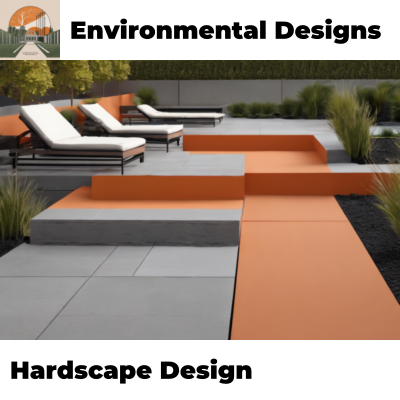
Hardscape design represents one of the most transformative elements in contemporary outdoor aesthetics and functionality. Unlike softscape elements—which include plants, grass, and organic materials that evolve seasonally—hardscape encompasses the permanent, structural components that define the bones of your landscape. These include patios, walkways, retaining walls, pergolas, outdoor kitchens, fire pits, and decorative stonework. The strategic placement and thoughtful design of these elements can dramatically reshape how you experience your outdoor environment.
The distinction between amateur yard construction and professional hardscape design runs profoundly deep. When homeowners tackle hardscape projects independently or hire contractors without specialized landscape design expertise, they frequently encounter problems that extend far beyond aesthetic disappointment. Poor drainage patterns lead to standing water that damages foundations. Inadequate material selection results in cracking, settling, and costly repairs within just a few seasons. Miscalculated proportions make spaces feel cramped or disconnected. These aren't merely cosmetic issues—they represent significant financial investments gone awry.
Environmental Designs recognizes that hardscape design demands a sophisticated understanding of multiple disciplines:
- Site analysis and assessment - evaluating soil composition, drainage patterns, slope gradients, and sunlight exposure
- Structural engineering principles - ensuring proper load-bearing capacity, frost depth requirements, and foundation stability
- Material science knowledge - understanding how different stone types, pavers, and construction materials perform under various climate conditions
- Spatial design principles - creating balanced proportions and visual flow throughout outdoor areas
- Integration with existing architecture - ensuring hardscape elements complement your home's style and existing landscape features
- Sustainable construction practices - minimizing environmental impact while maximizing longevity
The local landscape company serving your community has invested years in developing this multifaceted expertise.
The Importance of Professional Assessment Before Design Implementation
Before any construction begins, Environmental Designs conducts thorough site evaluations that consider factors most property owners never contemplate. Your property's drainage characteristics, for instance, profoundly influence every hardscape decision. Water flowing incorrectly through your landscape creates problems ranging from foundation erosion to mosquito breeding grounds to vegetation damage.
Soil composition matters enormously. Some soils compact excessively under paver bases, causing uneven settling within months. Others retain moisture indefinitely, creating instability issues. A professional designer tests soil conditions, calculates proper base depths, and recommends appropriate materials—decisions that directly impact whether your hardscape investment lasts ten years or remains pristine for thirty.
Sunlight patterns shift throughout seasons and years as trees mature. Where you position hardscape elements affects how you'll use these spaces months from now. A patio receiving full afternoon sun in March might become uncomfortably hot in July. A shaded seating area that's perfect for summer entertaining disappears when surrounding trees grow denser. Professional designers account for these temporal variations, positioning elements strategically within your unique microclimate.
Exploring Diverse Hardscape Design Elements and Their Functional Applications
Hardscape design encompasses far more variety than many homeowners initially realize. Each element serves specific purposes while contributing to the overall aesthetic narrative of your outdoor space.
Patio Design and Installation Considerations
Patios function as outdoor rooms—extensions of your home's living space into nature. However, designing an effective patio demands careful consideration of multiple interconnected variables. Size relationships prove critical. A patio sized too small for your family becomes unutilized and feels cramped when you actually gather there. Conversely, oversized patios dwarf your home's scale and waste resources while increasing maintenance demands.
Material selection dramatically influences both aesthetics and functionality. Stamped concrete offers affordability and versatility but can crack in freeze-thaw cycles. Natural stone provides timeless elegance and durability but demands seasonal maintenance. Permeable pavers address environmental concerns by allowing stormwater infiltration. Composite materials offer low maintenance but may lack the authentic character some homeowners prefer.
Shape and orientation matter substantially. Rectangular patios adjacent to homes feel formal and organized. Curved or irregularly shaped patios create intimate gathering areas while maximizing usable space. Orientation determines whether morning sun floods your coffee area or afternoon shade provides relief during peak heat hours.
The professionals at Environmental Designs evaluate:
- Your family's actual entertaining patterns and frequency
- Proximity to utilities and underground services
- Traffic flow patterns from home entrances to other landscape areas
- Relationship to surrounding landscape features and sight lines
- Drainage slope requirements ensuring water moves away from structures
Walkway and Pathway Design for Intuitive Landscape Navigation
Pathways direct movement through your landscape while establishing a subtle hierarchy of spaces. Poor pathway design forces visitors to trudge through plantings, trample informal areas, or wonder where they should walk. Strategic pathway placement guides natural movement while protecting landscape plantings and creating visual interest.
Width requirements vary depending on intended use. A narrow meditation path through a quiet garden might span just two feet. Pathways encouraging guests to walk side-by-side need minimum widths of four to five feet. Service pathways for maintenance equipment require different considerations than decorative front-yard walkways.
Material choices communicate different messages. Gravel paths suggest informal charm and woodland character. Stone or slate conveys sophistication and permanence. Poured concrete works well for high-traffic areas requiring durability. Recycled materials appeal to environmentally conscious homeowners while providing unique character.
Curve radius, intersection angles, and lighting integration all influence how pathways function. A pathway curving too sharply becomes difficult to navigate naturally. Steep slopes create safety hazards and require specialized installation techniques. Inadequate transition areas where pathways meet other hardscape elements cause awkward visual disconnects.
Retaining Walls as Both Functional and Aesthetic Elements
Retaining walls address slope challenges while creating opportunities for dramatic design statements. Beyond functionality—preventing soil erosion and managing elevation changes—these structures define space, create planting pockets, and establish visual impact.
Retaining walls fail when designers underestimate structural demands. Pressure from soil behind walls increases with depth and moisture retention. A poorly engineered wall containing that pressure becomes unstable, eventually bowing or collapsing. Proper engineering incorporates drainage systems, appropriate material selection, foundation preparation, and often professional installation techniques.
Height restrictions, setback requirements, and permit considerations vary by locality. Materials range from traditional brick and stone to modern concrete blocks to natural boulders. Each material conveys different aesthetic character while offering distinct structural properties. Environmental Designs helps navigate these technical requirements while creating walls that enhance rather than dominate your landscape.
Pergolas and Shade Structures Creating Outdoor Functionality
Pergolas transform outdoor spaces by providing partial shade, defining areas, and adding vertical interest. Unlike solid structures, pergolas offer dappled shade that allows light and air circulation while reducing heat intensity. These versatile structures accommodate climbing vines, hanging plants, and string lighting—becoming progressively more livable throughout seasons.
The strategic placement of pergolas creates outdoor rooms with defined boundaries and purposes. A pergola over a dining area encourages entertaining. Positioned over a seating nook, it becomes a contemplative retreat. Placement near home entrances welcomes guests while providing weather transition zones.
Engineering considerations include wind load resistance, snow load capacity in northern climates, and proper foundation depth. Material selections affect both durability and maintenance demands. Wood requires regular staining or sealing but offers natural warmth. Metal structures provide permanence and contemporary character. Hybrid approaches combine materials for optimal performance and aesthetics.
Evaluating How Sustainable Design Practices Integrate Into Hardscape Planning
Environmental Designs distinguishes itself through unwavering commitment to sustainable design practices that benefit both your property and the broader ecosystem.
Permeable Surfaces and Stormwater Management Solutions
Traditional impervious surfaces—concrete, asphalt, solid pavers—shed water rapidly, causing stormwater runoff that overwhelms drainage systems and carries pollutants into waterways. This environmental challenge also creates practical problems for property owners: flooding in low areas, foundation water damage, and eroded slopes.
Permeable hardscape alternatives allow water infiltration while maintaining structural integrity and aesthetic appeal. Permeable pavers feature gaps that accommodate groundcover plants or gravel, allowing water passage. Porous asphalt and recycled plastic grids support vehicle weight while enabling drainage. Decomposed granite and permeable concrete offer additional options.
Beyond environmental benefits, permeable surfaces provide practical advantages:
- Reduced flooding risk during heavy rainfall
- Lower foundation moisture problems
- Recharged groundwater supplies
- Reduced strain on municipal drainage infrastructure
- Cooler surface temperatures (mitigating heat island effects)
- Elimination of standing water mosquito breeding grounds
Professional designers strategically position permeable surfaces where water infiltration proves most beneficial while maintaining necessary structure in high-load areas requiring traditional materials.
Material Selection Emphasizing Local Sourcing and Environmental Responsibility
The environmental impact of hardscape materials extends far beyond their
finished appearance. Transportation distances, extraction methods, manufacturing processes, and material longevity all factor into true environmental cost calculations.
Environmental Designs prioritizes sourcing materials locally whenever possible. Local stone quarries and suppliers reduce transportation emissions while supporting regional economies. Recycled and reclaimed materials—salvaged brick, repurposed stone, reclaimed wood—minimize extraction demands while providing authentic character that new materials cannot replicate.
Material durability represents an overlooked sustainability factor. A patio lasting thirty years creates far less environmental impact than one requiring replacement after ten years. Professional-grade installation using appropriate materials and techniques ensures your hardscape investment performs reliably across decades, not seasons.
Native Plant Integration Within Hardscape Frameworks
While hardscape refers to non-living elements, professional design integrates these structural components with native plantings that complement rather than compete. Strategic planting pockets created by retaining walls, pergola shade areas, and pathway borders provide opportunities for native species that thrive in your local climate.
Native plants require minimal supplemental watering, fertilizing, and pest management once established. They support local pollinators, birds, and beneficial insects. This integration transforms hardscape elements from stark structural features into components of living landscapes that evolve seasonally while maintaining their functional purposes.
Recognizing How Climate and Regional Considerations Shape Hardscape Design Decisions
Southern California's Mediterranean climate presents specific hardscape design opportunities and challenges that differ dramatically from other regions. Environmental Designs' local expertise proves invaluable in navigating these climate-specific considerations.
Managing Heat Reflection and Thermal Comfort in Outdoor Spaces
Dark-colored hardscape materials absorb solar radiation intensely, creating surfaces too hot to touch during summer months while raising ambient temperatures in surrounding areas. Light-colored materials reflect heat more effectively, maintaining cooler surface temperatures and creating more comfortable outdoor environments during peak heat seasons.
Material selection profoundly influences thermal characteristics:
- Light-colored stone and pavers - reflect solar radiation, remaining cool to touch
- Permeable surfaces - allow evaporative cooling through moisture retention
- Materials with lower thermal mass - warm quickly and cool rapidly, moderating temperature swings
- Strategic shade from pergolas and trees - reduces direct solar exposure on sitting areas
Professional designers consider seasonal temperature patterns when positioning hardscape elements. South-facing patios receive beneficial warmth during cooler months but become uncomfortable in summer without shade provision. East-facing areas offer morning sun and afternoon respite. North-facing locations remain cooler year-round but may feel chilly during winter entertaining.
Drainage Challenges in Southern California's Varied Topography
Though Southern California receives relatively modest annual rainfall, when storms arrive, precipitation intensity can overwhelm poorly designed drainage systems. Properties on slopes face particular challenges as water rushes downhill, eroding soil and overwhelming drainage infrastructure. Properties in low areas experience pooling and stagnant water problems.
Environmental Designs addresses drainage through multiple integrated strategies:
- Proper slope grading directing water away from structures and toward appropriate drainage points
- Installation of French drains, dry creeks, or bioswales managing water flow
- Permeable surface integration reducing runoff volume
- Strategic hardscape positioning considering natural water flow patterns
- Subsurface drainage systems where necessary
Understanding your property's specific drainage characteristics—soil type, natural slope patterns, seasonal water table fluctuations—enables designers to create hardscape solutions that enhance rather than exacerbate water management challenges.
UV Exposure and Material Degradation Prevention
Intense Southern California sunlight accelerates degradation of certain materials. Wood structures fade and become brittle without protective finishes. Certain stone types experience color shifting and surface erosion over time. Grout between pavers deteriorates under constant UV exposure.
Durable material selection and appropriate protective treatments extend hardscape lifespan dramatically:
- UV-resistant sealers protecting stone and grout from sun damage
- Quality wood finishes reflecting UV radiation
- Material selections emphasizing proven regional performance records
- Strategic shade provision reducing UV intensity on vulnerable materials
Professional installers understand which materials thrive in Southern California's intense sunlight and which require specialized maintenance protocols to maintain appearance and functionality across decades.
Understanding the Comprehensive Process from Initial Consultation Through Project Completion
Professional hardscape design follows a structured process that ensures thorough planning before construction begins, preventing costly mistakes and ensuring satisfactory outcomes.
Initial Site Assessment and Needs Identification
The design process begins with comprehensive property evaluation and consultation about your specific needs, preferences, and lifestyle patterns. Environmental Designs designers visit your property, conducting detailed assessments considering multiple factors:
Existing conditions including slope, soil composition, drainage patterns, vegetation, and structures receive careful documentation. Current sunlight exposure patterns get mapped throughout the day. Underground utilities get located to prevent damage during construction. Property lines and easement restrictions get verified to ensure compliance.
Beyond physical assessment, designers discuss your vision, entertaining patterns, maintenance preferences, and budget parameters. Do you envision formal geometric spaces or naturalistic curves? Are you seeking dramatic entertainment venues or quiet contemplative retreats? What maintenance level are you comfortable managing? Understanding these preferences shapes all subsequent design decisions.
Conceptual Design Development and Refinement
Based on site assessment and needs identification, designers develop conceptual plans exploring possibilities for your property. Multiple design options might be presented, each addressing your site's unique conditions while reflecting different aesthetic and functional approaches.
This phase allows refinement and iteration. If you respond enthusiastically to certain design directions while finding others less compelling, designers adjust concepts accordingly. Questions about material choices, layout possibilities, and integration with existing elements get explored thoroughly before detailed design development begins.
Conceptual plans typically include scaled site drawings, perspective renderings showing how spaces will appear and function, and material specifications. This visual representation helps you understand the designer's vision and provide meaningful feedback before expensive construction begins.
Detailed Design Documentation and Construction Specifications
Once conceptual direction receives approval, detailed design documentation ensures construction proceeds according to established plans. Precise measurements, material specifications, installation methodologies, and grading plans get documented comprehensively.
Detailed specifications eliminate confusion during construction. Contractors understand exact material requirements, installation techniques, drainage provisions, and finishing details. This documentation also proves valuable for obtaining necessary permits, which often require certified plans showing code compliance and engineering calculations for structures like retaining walls.
Construction Implementation and Quality Oversight
Professional design services typically include construction oversight ensuring work proceeds according to specifications. Site visits verify proper installation techniques, appropriate material quality, correct grading and drainage implementation, and adherence to the approved design plan.
Quality oversight catches problems early before they become expensive correction projects. Improper base preparation gets corrected before pavers are installed. Drainage issues get addressed during construction rather than after water damage occurs. Color and finish selections get verified to ensure they match design intent.
Recognizing Long-Term Value and Return on Investment From Professional Hardscape Design
Many homeowners hesitate investing in professional design services, viewing these costs as discretionary expenses rather than essential investments. However, comprehensive analysis reveals substantial long-term value and financial returns.
Avoiding Costly Mistakes Through Professional Expertise
Mistakes in hardscape design and construction frequently result in expenses far exceeding the cost of professional design services. Consider these common scenarios:
A homeowner installs a patio with inadequate slope, creating pooling water that damages the foundation and requires complete removal and reinstallation—a project costing several times the original investment plus repair costs. A retaining wall fails because it lacks proper drainage or engineering, requiring complete reconstruction. Pathways installed without considering actual traffic patterns remain underutilized while informal paths develop where people naturally walk, damaging plantings and creating maintenance headaches.
Professional design prevents these expensive mistakes. Proper engineering, appropriate material selection, correct installation techniques, and thoughtful spatial planning ensure hardscape investments perform reliably. The cost of professional design typically proves insignificant compared to savings from avoiding failures and expensive corrections.
Enhanced Property Values and Marketability
Professionally designed hardscapes substantially enhance property values and appeal to potential buyers. Outdoor living spaces have become increasingly significant in real estate markets, with well-designed hardscapes commanding premium prices.
Buyers recognize quality design and construction. A property featuring cohesive, well-maintained hardscapes with proper drainage, appropriate material selection, and thoughtful spatial planning appeals to discerning purchasers willing to pay accordingly. Conversely, poorly designed or failing hardscapes raise concerns about overall property maintenance and quality, potentially reducing market value.
Extended Lifespan and Reduced Maintenance Requirements
Professional-grade installation using appropriate materials and techniques ensures hardscape longevity. Proper base preparation, adequate drainage, appropriate material selection for your climate, and quality craftsmanship result in installations lasting decades rather than seasons.
Quality hardscapes require minimal maintenance. Sealed surfaces resist staining and weathering. Proper drainage eliminates standing water and erosion problems. Durable materials withstand regional climate stresses. This reduced maintenance burden saves time, money, and frustration across years of ownership.
Environmental Designs' expertise ensures your hardscape investment provides reliable, beautiful outdoor spaces for decades. Contact the company at 555-555-5555 or [email protected]